Kitchen alchemy does not have to begin with a rare herb, a complicated ritual, or a perfectly styled altar beside the stove. It can begin with the rosemary already drying in a jar, the basil you tear over tomatoes, the mint you steep because you want something bright and cooling, or the bay leaf you drop into soup because that is simply how your family has always cooked. The point is not to make ordinary food more mystical than it needs to be. The point is to notice that food already carries memory, rhythm, scent, season, care, and intention. When we become conscious of those layers, the kitchen becomes one of the most accessible places to practice ritual because we are already there, already touching ingredients, already feeding bodies, already making choices about what comes into the home.
Start with the herb you actually use
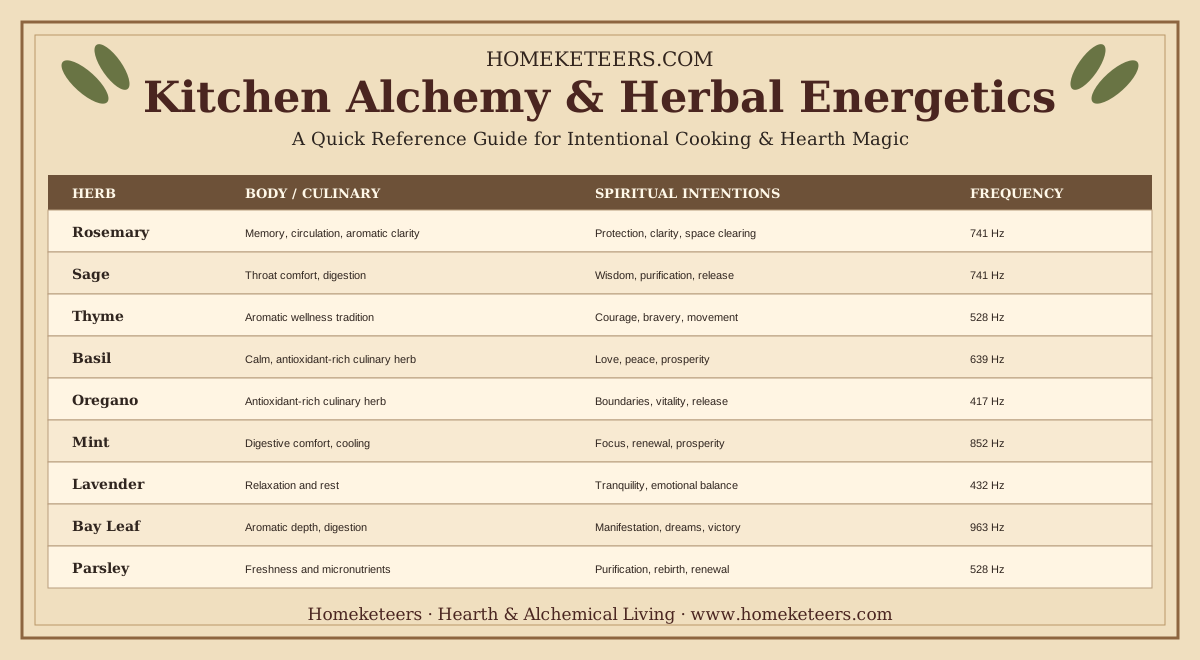
A useful herbal practice starts with familiarity, not accumulation. Pick one herb you already cook with and learn it in layers. Notice its flavor first. Rosemary is resinous and sharp. Basil is sweet, green, and soft. Dill is bright and grassy. Sage can be earthy and almost camphorous. Those sensory qualities matter because ritual becomes more embodied when it is connected to something you can smell, taste, touch, and remember. Then add the cultural or spiritual associations that speak to you. Rosemary is often used symbolically for clarity, remembrance, and protection. Basil is frequently linked with peace, love, and prosperity. Sage has a long history of culinary and ceremonial use across different cultures, which means context and respect matter. You do not need to adopt every correspondence you find. Use a chart as a starting place, then let your own relationship with the plant become part of the record.
Choose the intention before the ingredient
One of the easiest ways to keep kitchen magic practical is to decide what you are trying to support before you start pulling herbs from the cabinet. Maybe the house has felt tense and you want dinner to carry a sense of calm. Maybe you are beginning a new project and want the meal to symbolize courage and momentum. Maybe everyone is tired, and the only honest intention is comfort. Once the intention is clear, the herb becomes a cue rather than a magical assignment. You might choose marjoram or lavender because you associate them with softness and rest, rosemary because it helps you focus your attention on clarity, or chives because the act of sprinkling something fresh over a simple meal feels like a small gesture of home care. The ritual is not that an ingredient guarantees an outcome. The ritual is that you bring your attention, choices, and actions into alignment with what you are trying to cultivate.
FREE PRINTABLE COMPANION
Do not try to remember all of this.
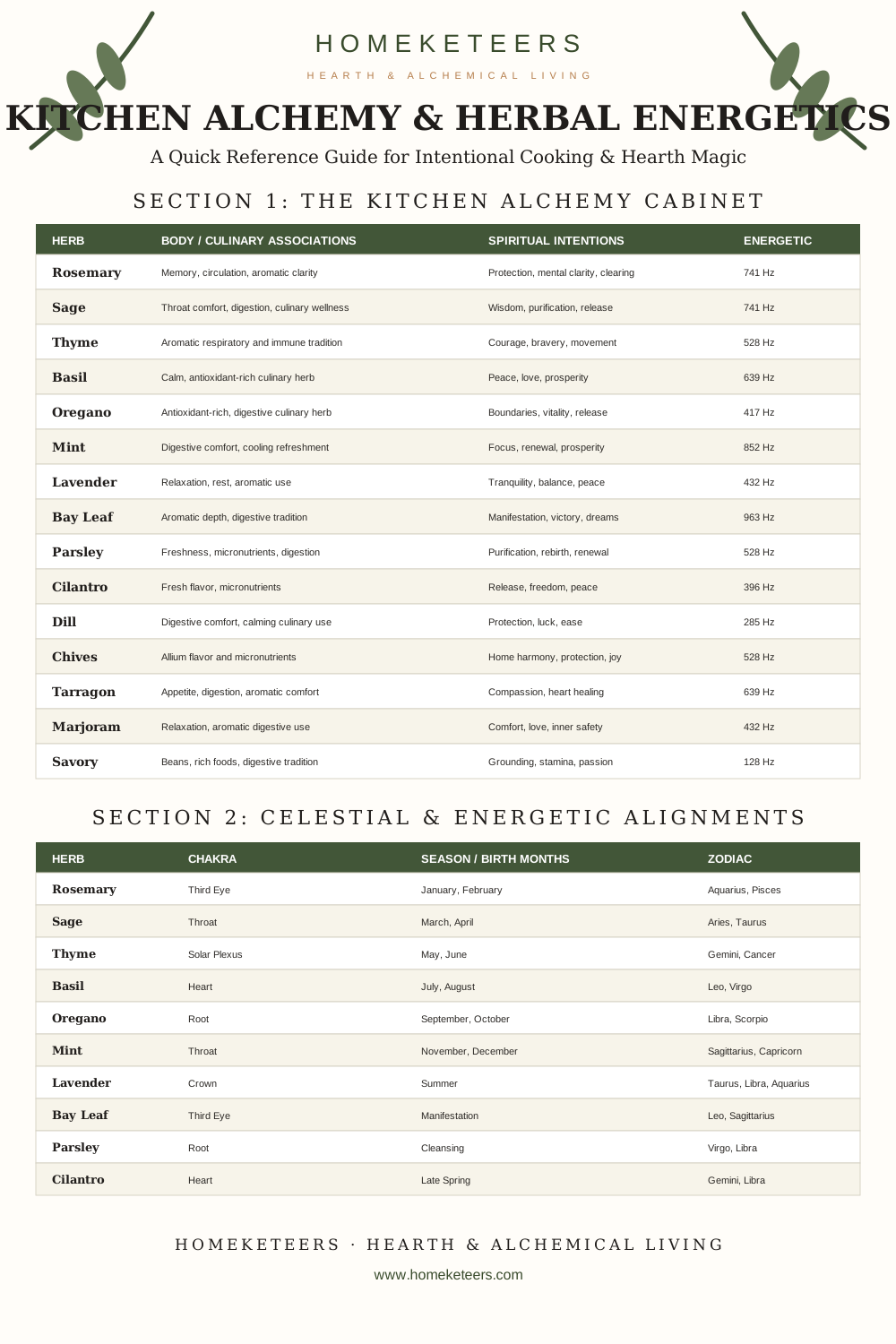
The free reference set puts the herb meanings, intentions, celestial alignments, and kitchen lore beside you while you cook.
A simple three-layer way to read herbal correspondences
- Culinary and sensory: What does the herb actually taste and smell like? What foods does it belong with? What memories does it carry for you?
- Traditional wellness associations: How has the herb historically been used as food or in traditional household practice? Keep this educational and avoid treating a kitchen herb as a substitute for medical care.
- Symbolic and spiritual: What meanings, elements, planets, chakras, seasons, or intentions have been associated with it, and which of those meanings actually resonate with your practice?
Those three layers keep the practice grounded. They also make room for disagreement. Herbal folklore is not one universal system. Correspondences change by region, lineage, magical tradition, religion, family practice, and modern interpretation. A plant can hold multiple meanings at once. That is not a flaw. It is a reminder that spiritual practice is relational. Your kitchen journal might eventually say that mint means focus to you because you drank it while building a business, while someone else associates mint with summer, childhood, or hospitality. Both can be meaningful without needing to become universal claims.
Protection and clearing in the kitchen
Protection work is strongest when it includes an actual boundary. If you are using rosemary, oregano, bay, or another herb as part of a protection ritual, pair the symbolism with something concrete. Clean the counter. Throw away food that has expired. Lock the door. Say no to the conversation that always leaves you depleted. Turn off the notifications that keep pulling your attention away from your family. Make a pot of soup and let the act of stirring become a moment to name what is welcome in your home and what is not. Spiritual symbolism can help a boundary feel intentional, but the boundary itself still has to exist in the physical world. That is the part of kitchen alchemy I find most useful: the ritual does not replace action. It gives action a language.
Love, connection, and the meals we share
Food is often used to express love, but intentional cooking is not the same thing as over-functioning for everyone around you. A heart-centered meal can be something elaborate, but it can also be toast, eggs, chopped herbs, and a table where nobody has to earn their place. If you work with basil, tarragon, marjoram, or another herb that you connect with harmony and compassion, let the practice include your own needs. Ask what would make the meal feel safer or kinder for you too. Maybe that means asking someone else to chop. Maybe it means eating before you are so hungry that your nervous system is already on fire. Maybe it means cooking a meal that you actually like. Hearth magic that requires the woman at the center of the home to disappear into service is not the kind of magic I want to practice.
Prosperity that stays attached to reality
Prosperity correspondences are another place where grounding matters. Basil, mint, cinnamon, bay, and many other kitchen ingredients are often used symbolically in abundance work. Use them if the symbolism feels good, but attach the ritual to a real action. Make the basil pasta, then send the invoice. Brew mint tea, then review the budget. Write an intention on paper, then submit the application, publish the offer, list the product, or make the phone call. The kitchen ritual can help you enter the task with a different mindset. It cannot do the task for you. This is why I like prosperity work in the kitchen: food forces us back into material reality. There are ingredients, quantities, heat, time, cleanup, and a body that needs to eat. Abundance becomes less abstract when it has to share a counter with a grocery receipt.
Seasonal and celestial correspondences
You can layer seasonal, lunar, planetary, zodiac, or chakra correspondences onto kitchen practice if those systems are meaningful to you. I prefer using them as reflective structures rather than rules. A new moon meal can mark a beginning. A full moon meal can become a place to notice what is visible now that was not visible before. A seasonal herb can help you pay attention to what is actually growing where you live. A chakra correspondence can give you language for a theme such as voice, agency, safety, or connection without pretending that a chart is diagnosing your body. The value is in attention and pattern recognition. If a correspondence makes you more present, more curious, or more honest about what you need, it is doing useful work.
Create a kitchen alchemy cabinet without buying a new cabinet
- Pull out the herbs and spices you already use. Discard anything stale enough that it no longer smells like itself.
- Choose five to eight herbs you reach for regularly. Learn those before adding more.
- Write one culinary note and one personal or spiritual association for each herb.
- Keep the notes where you cook, in a binder, taped inside a cabinet door, or in your Homeketeers journal.
- Each week, choose one intention and one herb. Use them in an ordinary meal.
- Record what you noticed. Keep what was meaningful and release the rest.
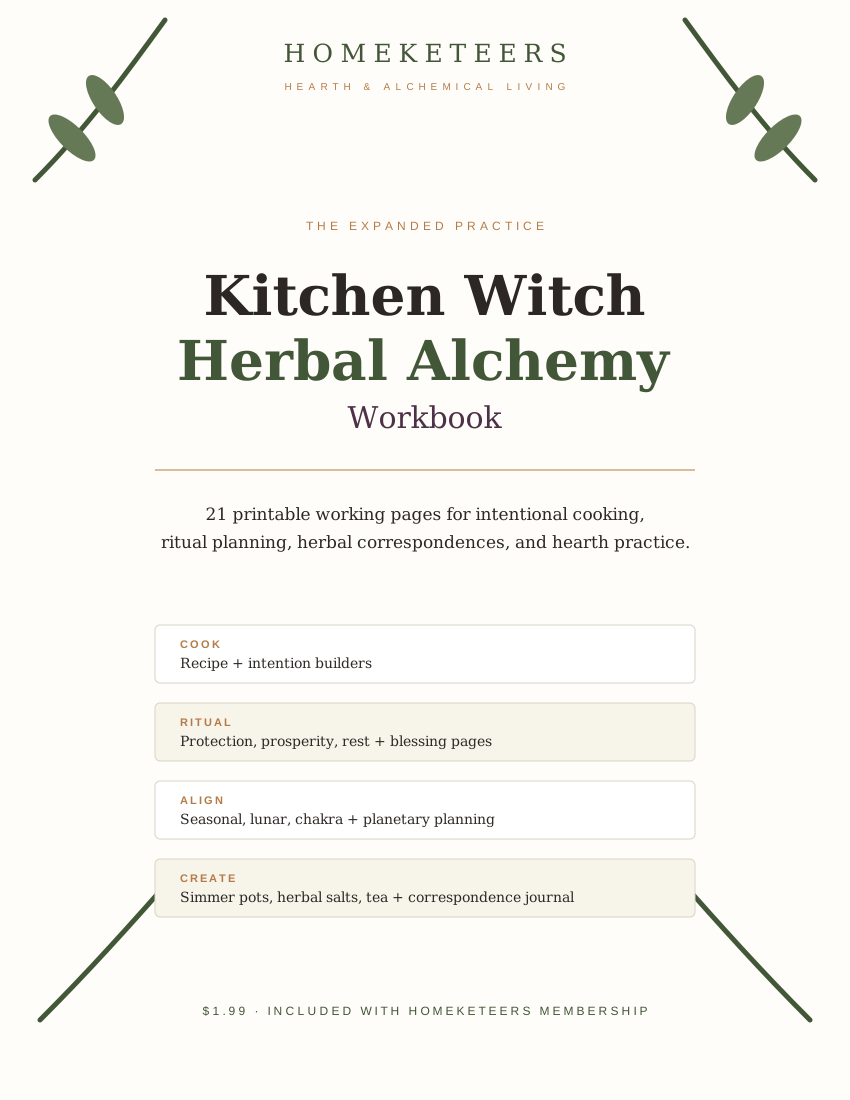
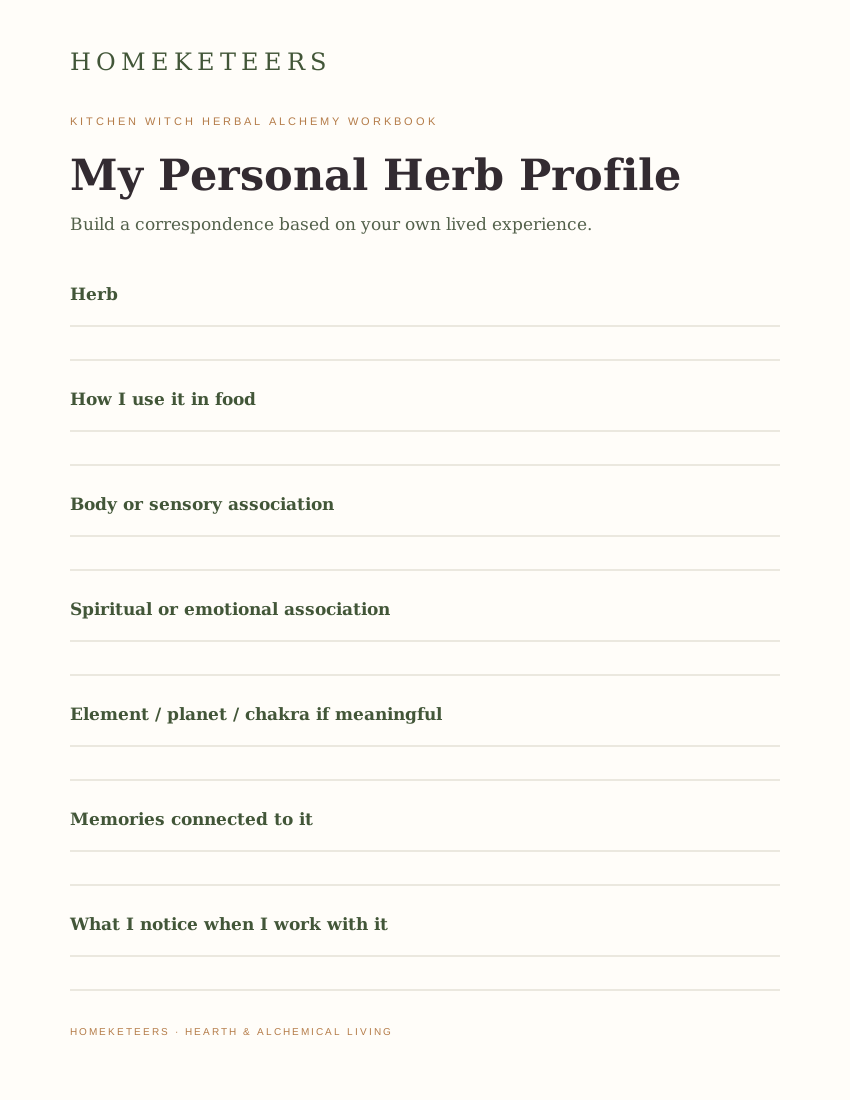
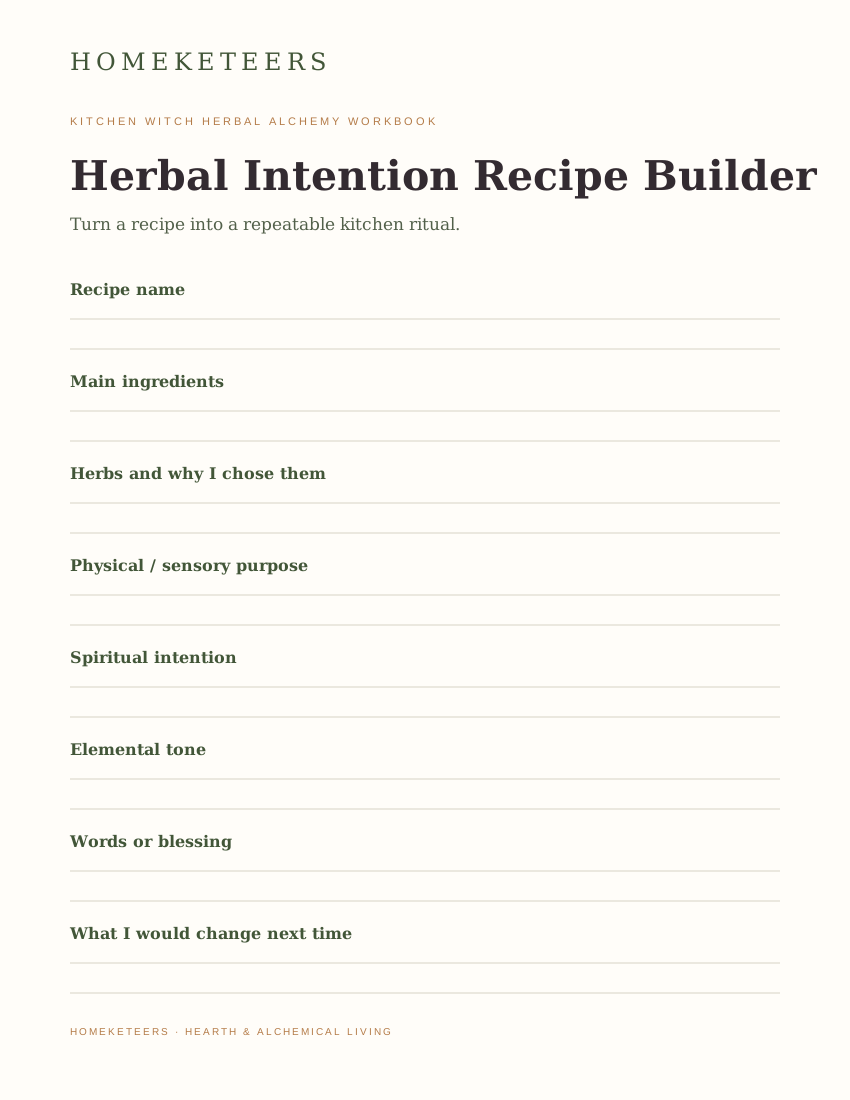
The goal is not to build the biggest correspondence library. The goal is to make the information usable enough that it can live beside a cutting board. That is why I created the Kitchen Alchemy & Herbal Energetics Reference Set. It gathers fifteen familiar herbs into a print-friendly system with culinary and traditional wellness associations, spiritual intentions, energetic correspondences, chakra and zodiac alignments, planetary rulers, elements, and practical kitchen lore. The free set is complete enough to use on its own. If you want to go deeper, the expanded Kitchen Witch Herbal Alchemy Workbook adds working pages for recipe building, protection, prosperity, grounding, seasonal practice, moon-phase cooking, simmer pots, seasoning blends, tea and infusion notes, and your own evolving correspondence journal.
Download the free Kitchen Alchemy reference set
The free printable set is designed to sit where you will actually use it: in a kitchen binder, beside your recipe journal, inside your spiritual notebook, or folded into the part of your home where food and ritual already overlap. Start with the chart. Circle the herbs you already own. Choose one. Cook something simple. Let that be enough for the first practice.